Heart Problems
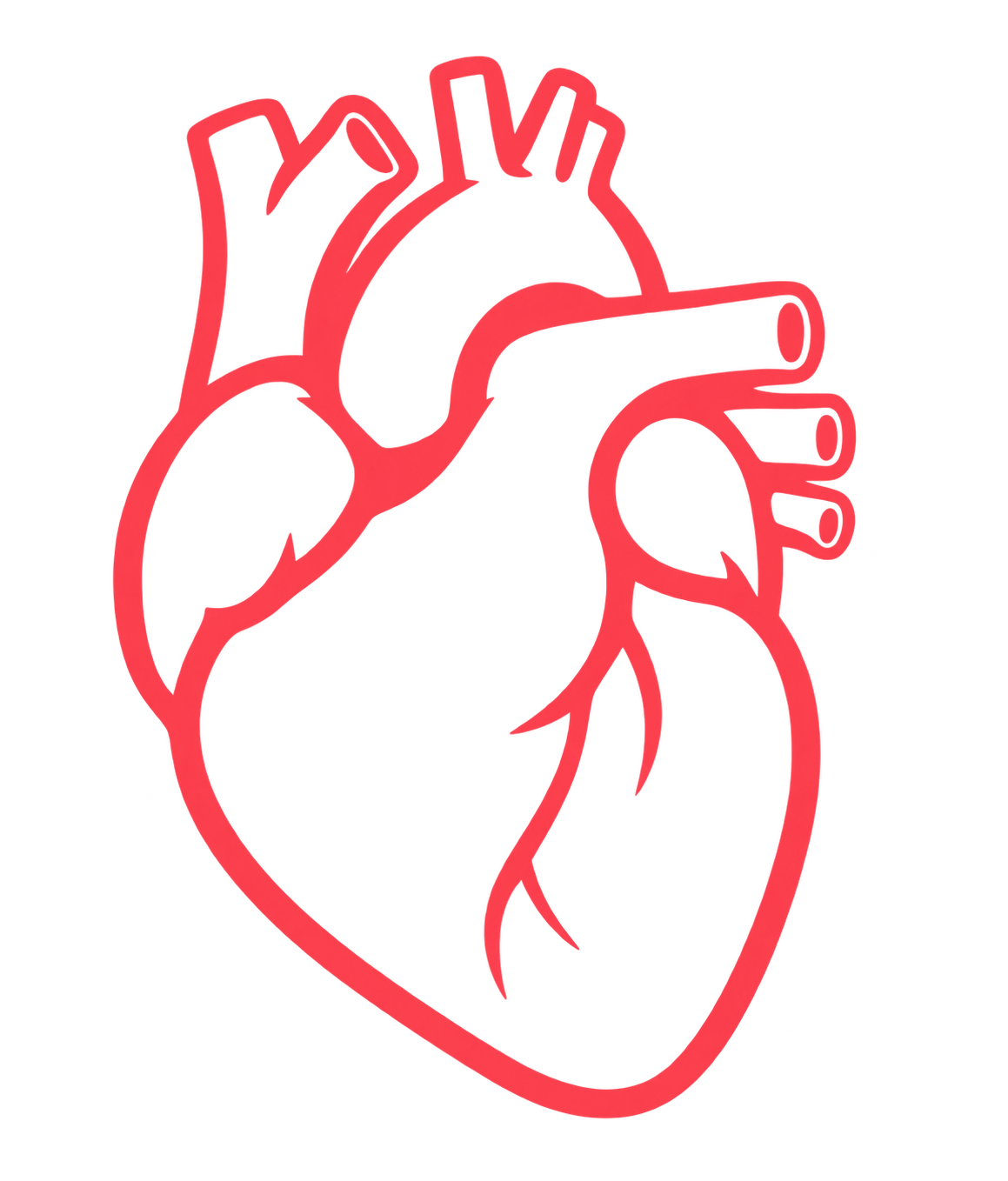
EDMD can affect the heart, including the heart's rhythm and ability to pump normally.

Emery-Dreifuss muscular dystrophy (EDMD) is a rare genetic condition that affects the muscles, joints, and heart. It is a type of muscular dystrophy, which means it causes muscles to become weaker over time. EDMD was first described by doctors Alan Emery and Fritz Dreifuss in the 1960s and is named after them. Several different gene changes can cause EDMD. The most common involve the EMD and LMNA genes, but changes in other genes can also lead to the condition.
EDMD has three main features that help distinguish it from other muscular dystrophies.
EDMD can affect the heart, including the heart's rhythm and ability to pump normally.
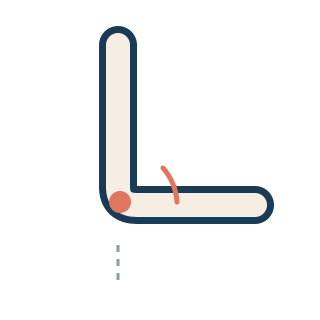
Muscles and tendons can become tight, making it harder to fully straighten or move certain joints.
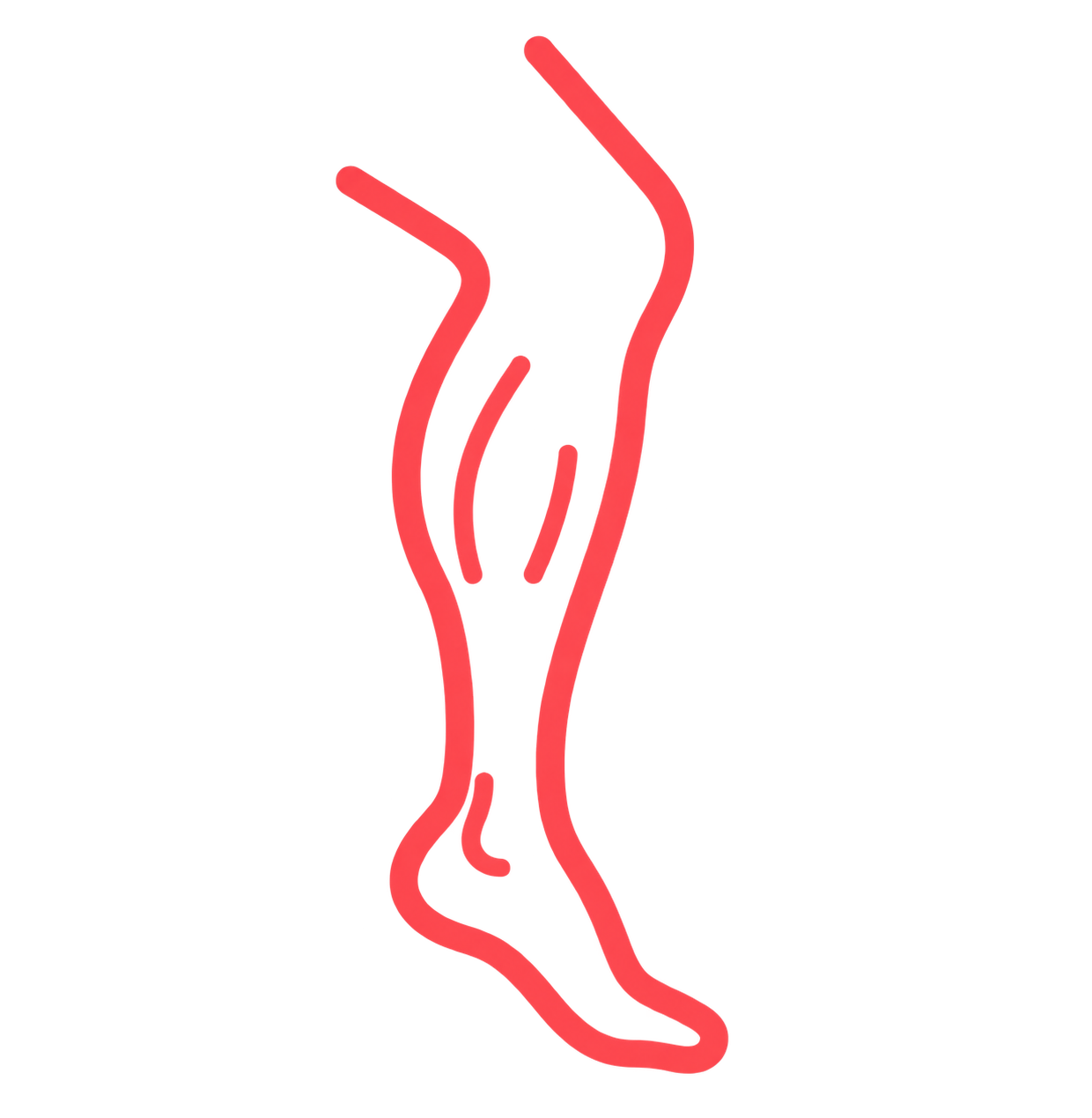
Muscle weakness and wasting (loss of muscle mass) usually affect the upper arms, shoulders, and calves and can become worse over time.
EDMD can look very different from one person to another. The age when symptoms begin, how severe they are, and how quickly they progress can vary, even among people in the same family. The symptoms can also vary depending on the gene involved.
There are several genes that cause EDMD. Each gene is classified as a specific subtype of EDMD.
Changes in these genes result in non-working nuclear envelope proteins. The nuclear envelope is the membrane that surrounds and protects the DNA in cells. When nuclear envelope proteins do not work correctly, the three core symptoms of EDMD – joint contractures, muscle weakness, and heart involvement – develop.
| Subtype | Gene | Protein | Inheritance Pattern |
|---|---|---|---|
| EDMD 1 | EMD | Emerin | X-linked |
| EDMD 2 | LMNA | Lamin A/C | Autosomal dominant |
| EDMD 3 | LMNA | Lamin A/C | Autosomal recessive |
| EDMD 4 | SYNE1 | Nesprin-1 | Autosomal dominant |
| EDMD 5 | SYNE2 | Nesprin-2 | Autosomal dominant |
| EDMD 6 | FHL1 | Four-and-a-half LIM domains 1 | X-linked |
| EDMD 7 | TMEM43 | Transmembrane protein 43 | Autosomal dominant |
| Less frequently associated EDMD genes include TOR1AIP1, SUN1, SUN2 and TTNN. | |||
Estimated prevalence of EDMD
Two major genetic causes
Can help establish the molecular diagnosis
Prevalence estimate: GeneReviews: Emery-Dreifuss Muscular Dystrophy.
EDMD has established genetic causes. Genetic testing can help identify the causative variant, although a variant is not identified in every person with a clinical diagnosis.
EDMD can be inherited in three different ways: autosomal dominant, autosomal recessive, or X-linked.
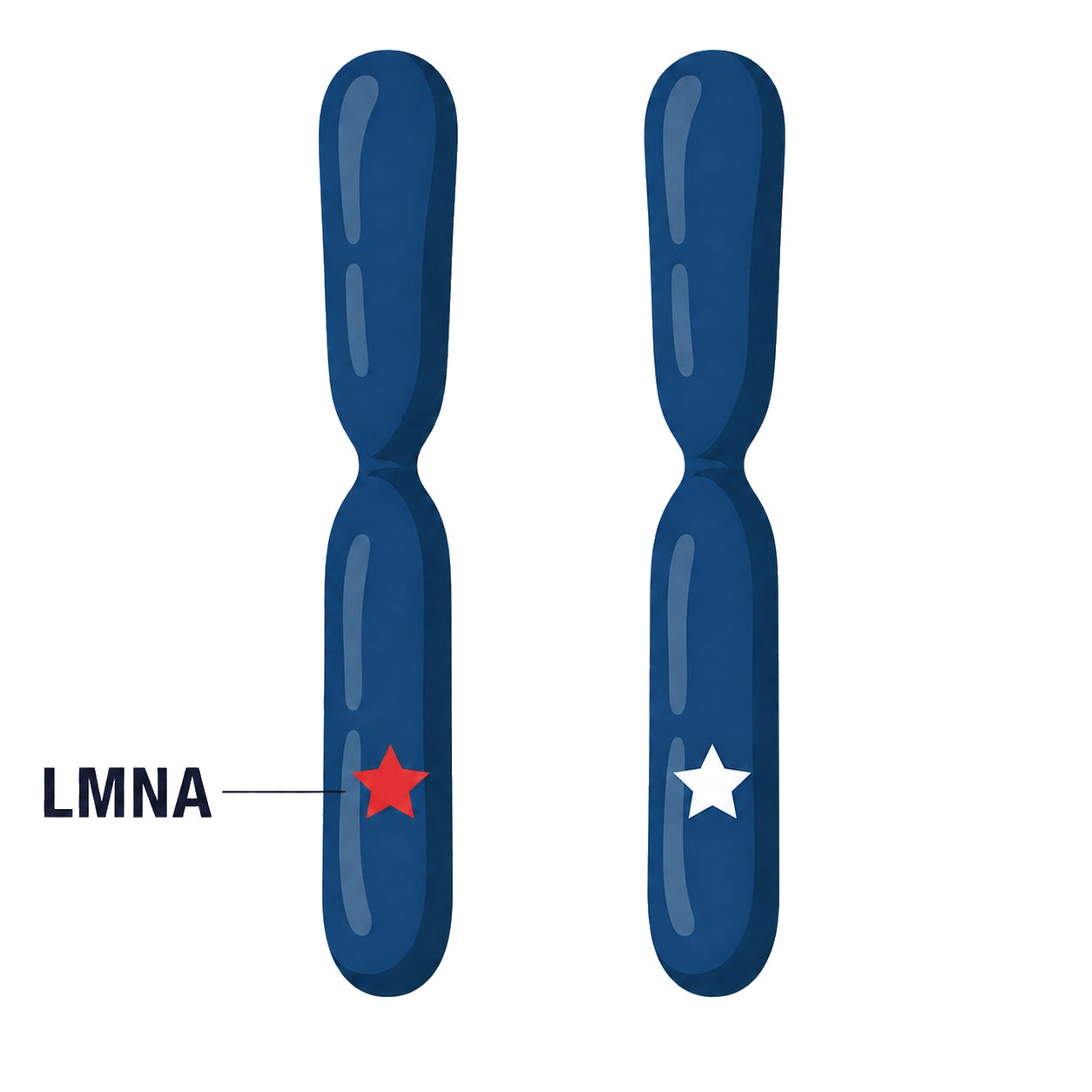
One altered copy can be enough to cause EDMD. Often linked to LMNA variants.
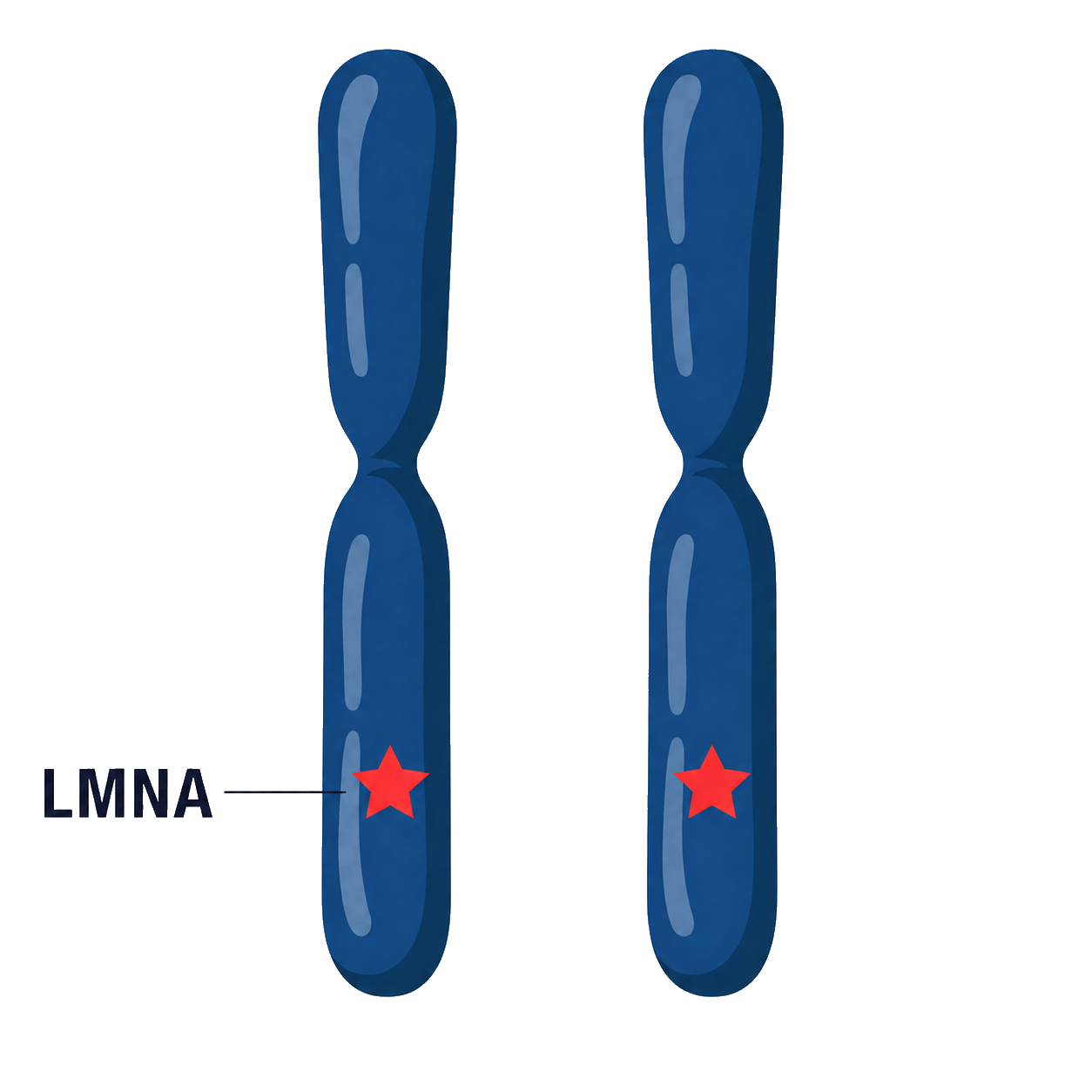
Two altered copies are needed. Parents may be carriers without obvious symptoms.
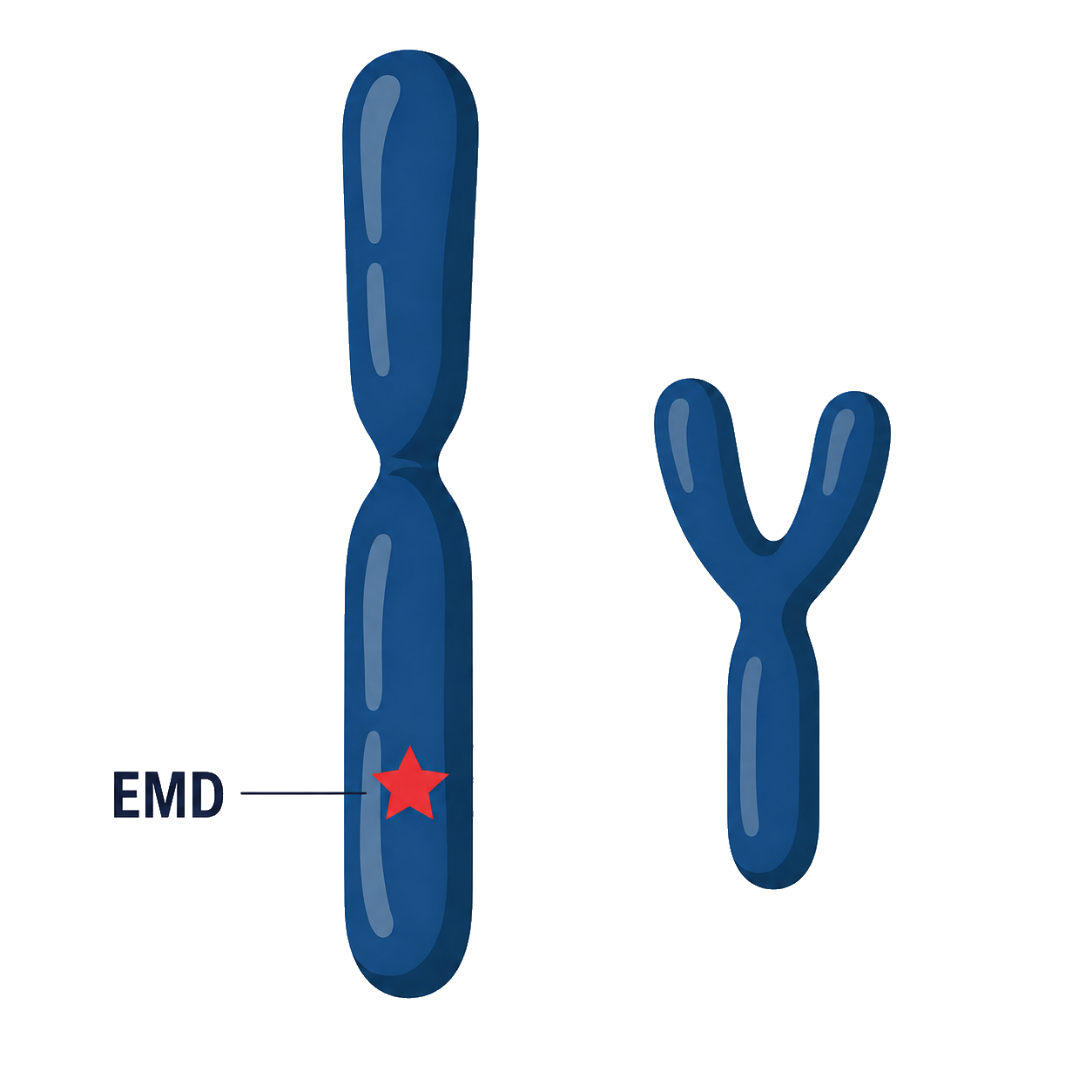
Usually affects males more directly, with female carriers at some risk. Often linked to EMD variants.
At a young age, EDMD may first appear as muscle weakness and stiff elbows or ankles, often with toe walking. After the teenage years and into early adulthood, heart problems may become more common.
The best way to diagnose EDMD is through genetic testing, which can reveal variants associated with EDMD. The most common genetic tests used are targeted muscular dystrophy panels, exome sequencing, and genome sequencing.
Clinicians may also use other clues when genetic testing is not yet available or indicated. EDMD often causes elevated creatine kinase, a protein, which can be measured with a blood test. Heart rhythm and structure changes can be tracked with EKGs and echocardiograms. Muscle biopsy and physical exam findings can also support diagnosis.


As of 2026, there is no cure for EDMD, and care focuses on symptom management. Treatment may include cardiology care, medications, pacemakers, implanted defibrillators (CRT-D), physical therapy, and contracture management.
Some people may need mobility supports over time, and respiratory support such as CPAP or BiPAP can be helpful when breathing weakness develops.
Coming soon.